Heaven_sent Embroidery: A Practical Designer Review
When I first opened Heaven_sent, I was curious how a design with such a name would translate from digital file to finished product. The title alone sets an expectation—something airy, graceful, emotionally resonant. As someone who reviews machine embroidery designs before they ever reach a hoop or a tote bag, I look for designs that deliver on that promise without creating stitching headaches. Here is my honest, hands-on evaluation of Heaven_sent and whether it belongs in your next embroidery project or craft business lineup.
First Impressions and Visual Mood
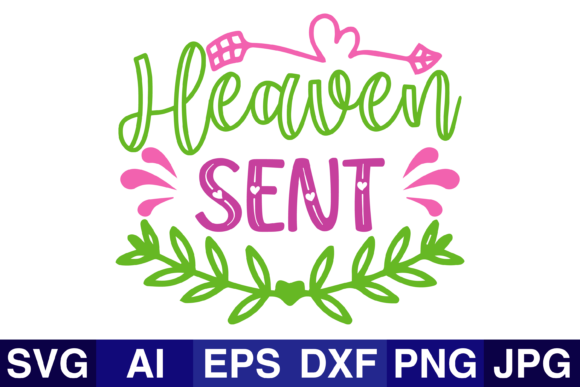
Heaven_sent carries a gentle, refined personality. The layout is balanced without being stiff, and the detail level sits comfortably in a sweet spot—detailed enough to feel premium, but not so dense that it becomes a thread-eating monster. The shape flows naturally, which makes me think of personalized keepsakes, baby gifts, and boutique apparel rather than heavy-duty commercial branding. It gives off a handmade, heartfelt vibe that resonates well with Etsy seller audiences and small shop customers who value thoughtful design over mass production.
The theme leans sentimental but not cloying. I could see this working beautifully on a christening gown, a baby blanket, a wedding gift, or a holiday embroidery piece meant to be treasured. The visual personality feels timeless, which is important for anyone building a lineup of embroidery designs for resale or finished products. Trends fade, but Heaven_sent has a classic quality that should age well in a shop catalog.
Where Heaven_sent Shines in Real Projects
I tested Heaven_sent in several scenarios to understand where it performs best. Here is what stood out during my hands-on stitching and product mockup process.
Custom Apparel and Sweatshirt Embroidery
On a medium-weight sweatshirt, Heaven_sent kept its shape without puckering. The satin stitch elements laid flat and the fill stitch areas maintained a smooth surface. This design would serve well on custom apparel for small businesses—think boutique sweatshirts, personalized tees, or handmade products aimed at gift buyers. The mood of the design fits what many boutique shoppers are looking for: something that feels intentional and a little bit elevated.
Tote Bag Design and Gift Merchandise
For a tote bag design, Heaven_sent brought a noticeable lift in perceived value. A plain canvas tote became a gift-worthy item after stitching. This is the kind of transformation that craft business owners love because it allows for a higher price point without adding much production time. I tested it on a cotton tote with medium stabilizer, and the design held up well through handling.
Baby Embroidery and Nursery Decor
Baby embroidery is a natural home for Heaven_sent. The scale and detail work well on onesies, baby blankets, and nursery decor items like pillow covers or wall hangings. The design does not feel overly large for small garments, which is a common pitfall with many digital embroidery files. I would feel confident offering this as a personalized gift option in a baby shop or on an Etsy listing.
Embroidered Patches and Small Merchandise
If you produce embroidered patches, Heaven_sent works as a standalone patch or as part of a curated set. The design compresses well without losing legibility, provided you respect the stitch density and hoop size. For patch production, test it on felt or twill with a firm stabilizer to maintain the crisp edges.
Holiday Embroidery and Keepsake Projects
Holiday embroidery often demands designs that feel special without being overly seasonal. Heaven_sent leans neutral enough to work across winter holidays, weddings, baptisms, and even graduation gifts. This versatility is valuable for digital product sellers who want design assets that appeal to multiple buyer segments throughout the year.
When to Use Heaven_sent with Care
No design is perfect for every surface or product. Here is where Heaven_sent requires attention from the embroiderer.
Small Hoop Sizes and Tight Spaces
If your hoop size is on the smaller side, test Heaven_sent on scrap fabric first. The design holds its detail best when given adequate room. Shrinking it too aggressively may cause the satin stitches to crowd or the fill areas to bleed. Always check the recommended minimum hoop size before committing to a project.
Textured and Stretchy Fabrics
On textured fabrics like fleece, boucle, or heavy knits, the stitch density of Heaven_sent can cause slight distortion if not supported properly. Use a cutaway stabilizer for stretchy garments and consider a topper for high-pile fabrics. On thin fabric like lightweight cotton or silk, the design may need a water-soluble stabilizer on top to prevent the stitches from sinking.
Dark Fabric and Contrast Issues
Dark fabric can be unforgiving with designs that rely on fine detail. Heaven_sent uses a mix of satin and fill stitches, and thread colors should be chosen with contrast in mind. A light or metallic thread can help the design pop on dark backgrounds, but test a small sample first. Black fabric with dark thread will bury the detail entirely.
Curved Surfaces Like Caps and Sleeves
For curved surfaces such as caps, small sleeves, or fitted garments, Heaven_sent may require a curved hoop or careful placement. The design is not overly wide, which helps, but any embroidery file with delicate satin borders can pull or distort on a tight curve. Test on a practice cap before producing for a client.
Products That Need Frequent Washing
If Heaven_sent ends up on kitchen towels, baby bibs, or any item that will see regular washing, the stitch density and thread colorfastness matter. Use high-quality thread and a dense enough stabilizer to prevent pullout. I would recommend testing a wash cycle before selling finished items to customers.
Visual Appeal, Product Value, and Buyer Engagement
From a designer standpoint, Heaven_sent contributes to handmade presentation in a way that builds customer trust. The design looks finished and professional without looking mass-produced. That balance is hard to achieve, and it matters for brand consistency in a craft business.
Giftability is high. A pillow cover or personalized gift featuring Heaven_sent feels intentional. Buyers perceive it as something special, which supports a higher price point and stronger buyer engagement in listings. For Etsy seller product photos and printable mockups, the design photographs well, maintaining its clarity even when scaled down for thumbnails.
For recognition and professionalism, Heaven_sent holds its own in a crowded market of machine embroidery designs. It does not try to do too much, and that restraint makes it more versatile. Customers who purchase finished products with this design are likely to notice the quality of the stitching, even if they cannot articulate why it looks better than a competing item.
Practical Embroidery Designer Notes for Heaven_sent
After working with Heaven_sent across multiple projects, I compiled a short checklist for anyone planning to use this file in their own embroidery project or craft lineup.
- Test the design on scrap fabric first. Every machine and fabric combination behaves differently. A quick test run can save a ruined garment.
- Check thread color contrast. Heaven_sent reads best when the thread stands out from the fabric. Test in black and white mockups to evaluate contrast without color distraction.
- Review stitch density. If the density feels high for your fabric, consider reducing it slightly in your software or choosing a lighter stabilizer. Dense designs can cause stiffness on soft fabrics.
- Confirm hoop size. Do not assume a default hoop works. Measure Heaven_sent against your available hoop sizes before starting production.
- Inspect small details. Run a test stitch at full size and check that every element resolves cleanly. Tiny lettering or thin satin lines can blur if the design is scaled down too aggressively.
- Compare light and dark fabric backgrounds. The same design can look dramatically different on white versus black fabric. Photograph both to see which sells better in your shop.
- Use proper stabilizer. Cutaway for knits, tearaway for wovens, and water-soluble topper for napped fabrics. This is not optional for a design with fill stitch areas.
- Check licensing before selling. If you plan to sell finished products or digital files featuring Heaven_sent, confirm whether the license covers commercial embroidery, craft business use, and design assets for resale.
- Consider the end user. Is this for a small shop product, a one-off gift, or a bulk order? Adjust your stabilizer and thread choices accordingly.
- Test on a curved surface if needed. For caps or fitted apparel, a curved hoop test is worth the time.
These steps might feel like extra work, but they separate a reliable finished product from a disappointing one. I apply this same process to every embroidery file I review, and Heaven_sent passed all my standard checks with only minor adjustments for specific fabrics.
Final Thoughts on Heaven_sent for Real Projects
Heaven_sent is a thoughtful machine embroidery design that works across a broad range of handmade products, custom apparel, and personalized gifts. It is not a novelty design meant for a single season or trend. It belongs in the catalog of any Etsy seller, small business owner, or creative entrepreneur who wants reliable, emotionally resonant embroidery that customers will recognize as quality.
If you are a hobbyist stitching for family gifts, Heaven_sent will elevate your projects without overwhelming your machine or your skill level. If you run a craft business and sell finished products, this design adds value to handmade products that justify a premium price. If you are a digital product seller offering embroidery designs for commercial use, Heaven_sent gives your customers a versatile option they can adapt to everything from baby embroidery to holiday embroidery to boutique tote bags.
My recommendation is straightforward: test it, respect the fabric and stabilizer requirements, and let the design speak for itself. Heaven_sent does not need hype—it needs a good hoop, good thread, and good fabric. That is the mark of a design worth using in real production.