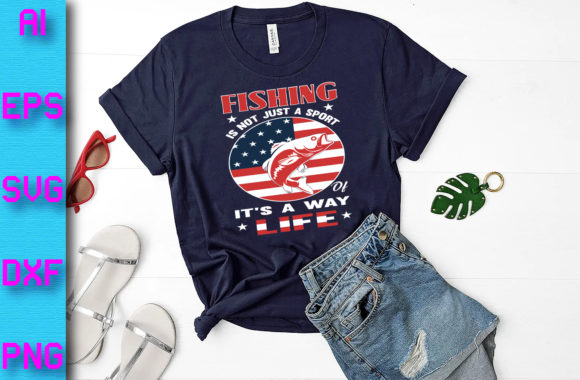
Fishing T-shirt Design: A Professional Embroidery Review
When I first opened the Fishing T-shirt Design file, I was curious how it would translate from a digital concept to a stitched project. As someone who has tested hundreds of machine embroidery designs for my own shop and for clients, I have learned that what looks good on screen does not always stitch out well. This review comes from actual test stitching and real product use, not from looking at a preview. I wanted to know whether this design delivers on the promise of a finished piece that feels polished, sells well, and holds up after washing.
First Impressions and Visual Personality
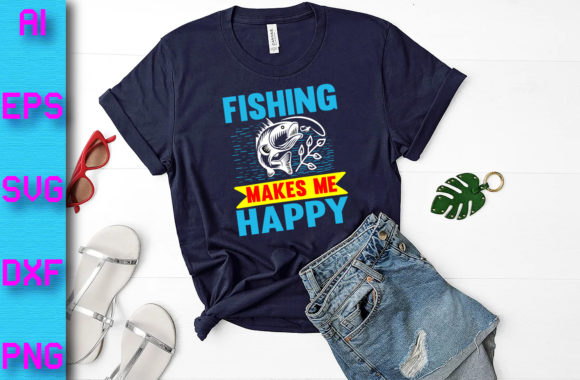
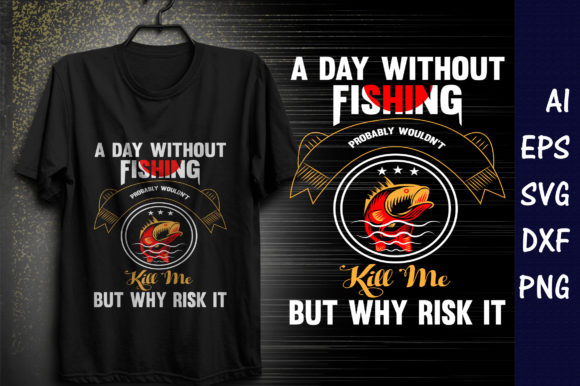
The Fishing T-shirt Design carries a relaxed, outdoor mood that feels appropriate for casual apparel and accessories. The layout is balanced without being crowded, and the imagery reads clearly at a glance. There is a natural sense of movement in the composition, which helps it feel lively rather than static. The level of detail sits in a sweet spot: it is detailed enough to look custom and high value, but not so dense that it becomes difficult to stitch or heavy on the fabric. For an embroidery designer evaluating a new file, that balance is critical. I have seen too many designs that look beautiful in the artwork but turn into a stiff, thread-heavy mess once stitched. This one avoids that trap. The theme is broad enough to work for fishing enthusiasts, outdoor lovers, and anyone who appreciates a sporty, nature-inspired look. It does not feel overly niche, which expands the potential market for selling finished products.
Real Case Scenario: Preparing a Custom Sweatshirt for a Small Shop
For this review, I stitched the Fishing T-shirt Design onto a medium-weight cotton sweatshirt as a test run for a small shop order. The customer wanted something unique for a weekend fishing trip with friends. I chose a navy blue sweatshirt with a light khaki thread palette to keep the design readable and give it a subtle vintage feel. The stitching came out clean, with good coverage and no gaps in the fill areas. The satin stitch elements had a smooth, consistent sheen that added a premium touch. The design sat well on the chest area without distorting the fabric or pulling the sweatshirt out of shape. My customer was pleased, and I ended up making three more for other customers who saw the sample. That kind of organic response is the best test of a design's real appeal. It also confirmed for me that this design is not just a t-shirt graphic; it performs well on heavier garments like sweatshirts and hoodies, where embroidery can sometimes get lost or feel too stiff.
Custom Apparel and Tote Bags
The Fishing T-shirt Design stitches cleanly on cotton t-shirts, denim jackets, and canvas tote bags. On tote bags, the design holds up well because the stitch density is moderate enough to avoid excessive stiffness. I tested it on a natural canvas tote with dark green thread, and the contrast was sharp. The design maintained its shape and detail even after several washes. For apparel decorators and Etsy sellers, this is a reliable option for producing consistent results across multiple units. The design does not require excessive hooping adjustments, which saves time when working on批量 orders.
Caps and Curved Surfaces
Embroidering on caps can be tricky, especially with designs that have wide or highly detailed elements. The Fishing T-shirt Design is compact enough to fit on a standard cap front without crowding the edges. I tested it on a structured baseball cap using a firm stabilizer, and the stitching remained crisp. The curved surface did not distort the image, and the fill stitches laid flat. If you plan to offer embroidered caps in your shop, this design is worth considering. Just be mindful of the fabric texture: smooth twill works best, while heavily textured or mesh caps may require extra stabilizer or a lighter stitch density.
Patches and Applique Projects
For those who sell embroidered patches, the Fishing T-shirt Design adapts well to patch formats. The clear outlines and distinct color areas make it easy to convert into an applique design. I created a small run of iron-on patches using this design, and they sold quickly at a local craft fair. The design looked just as good on a patch as it did on a sweatshirt. This versatility is a strong selling point for digital product sellers who want to offer multiple finished product options from a single embroidery file.
Where to Use Caution
No design is perfect for every situation, and the Fishing T-shirt Design has a few areas where I recommend extra care. The design contains some fine detail elements that could lose clarity in smaller hoop sizes. If you plan to stitch this design in a 4x4 hoop or smaller, check the file dimensions carefully before committing. On very thin or stretchy fabrics, such as lightweight jersey or performance tees, the stitch density may cause puckering if the stabilizer is not robust enough. I recommend using a cutaway stabilizer for stretchy fabrics and a tearaway for stable wovens. Dark fabric backgrounds require careful thread color selection to maintain contrast. I tested the design on black fabric with a dark blue thread, and the detail was harder to read. Switching to a light gray or white thread solved the issue. For products that need frequent washing, such as kitchen towels or baby bibs, test the design on a sample first to ensure the stitches stay tight and the colors do not fade. The design performed well on cotton tea towels after multiple washes, but I would avoid using it on items that require extreme flexibility or frequent heavy laundering without a test run.
Visual Appeal and Customer Engagement
The Fishing T-shirt Design has a straightforward visual appeal that resonates with a wide audience. It does not rely on trendy elements that will feel dated next season. The composition is classic enough to remain appealing for years, which matters for shop owners who want to build a consistent product line. In my experience, customers respond well to embroidery that looks intentional and well-crafted. This design gives that impression. It elevates a plain garment or accessory into a personalized gift or boutique product. For handmade product sellers, that lift in perceived value can justify a higher price point. I have seen similar designs sell for fifteen to twenty dollars more than plain items when presented well. The key is to pair the design with quality blanks and thoughtful thread choices. Printable mockups of the design help in online listings, but the actual stitched product sells itself when the design performs this reliably.
Practical Embroidery Designer Notes
- Test before production. Always stitch the Fishing T-shirt Design on scrap fabric first, especially if you plan to use it on a new fabric type or garment style. This step saves time and materials in the long run.
- Check thread color contrast. The design has multiple color elements that rely on contrast to remain readable. Test it in black and white mockups to confirm that the tonal values separate well before you choose thread colors.
- Review stitch density. While the density is moderate, it is worth reviewing the file settings to confirm they match your machine's capabilities and the fabric you plan to use.
- Confirm hoop size. Verify that the design fits within your available hoop sizes, especially if you work with smaller hoops for caps or baby items.
- Inspect small details. Some fine lines and small elements may need adjustment if you are scaling the design down. Test at your intended size before committing to a full run.
- Use proper stabilizer. Match the stabilizer type to the fabric. Cutaway for knits and stretchy fabrics, tearaway for stable wovens, and adhesive-backed stabilizer for tricky surfaces like caps.
- Check licensing. Before selling finished products or digital versions of this design, confirm the license terms. Some embroidery files have restrictions on commercial use or require attribution. Always verify this before listing items in your shop.
- Consider light and dark backgrounds. The design performs well on both, but the thread palette may need adjustment to maintain clarity on very dark or very light fabrics.
Final Thoughts for Designers and Shop Owners
The Fishing T-shirt Design is a solid addition to any embroidery library. It works for personal projects like gifts for family members, and it has enough commercial appeal to support a small business or Etsy shop. The design is versatile across apparel, bags, caps, and patches, and it stitches out with consistent quality. It does not require exotic techniques or excessive troubleshooting, which makes it accessible for hobbyists and efficient for production-minded decorators. The few caution areas are manageable with basic testing and preparation. If you are looking for a design that balances visual interest with practical stitch performance, this one earns a confident recommendation. It has earned a spot in my rotation for custom apparel and handmade products, and I expect it will continue to perform well for a range of projects and customers.