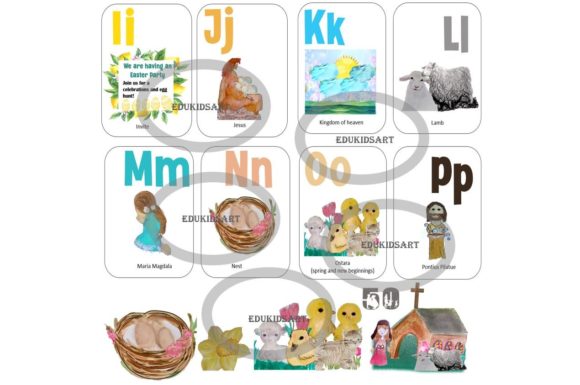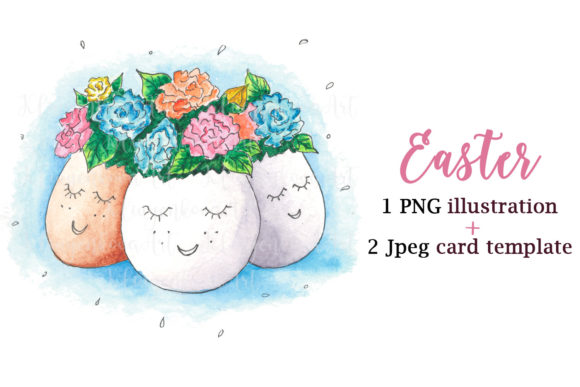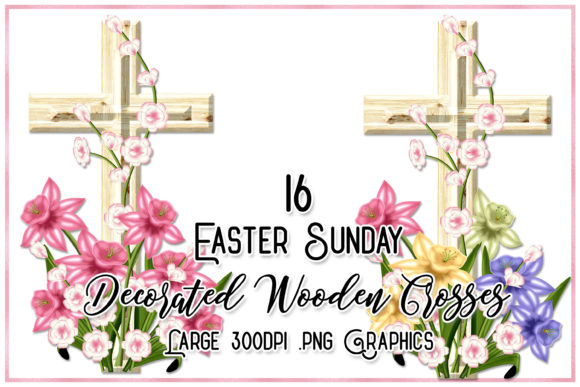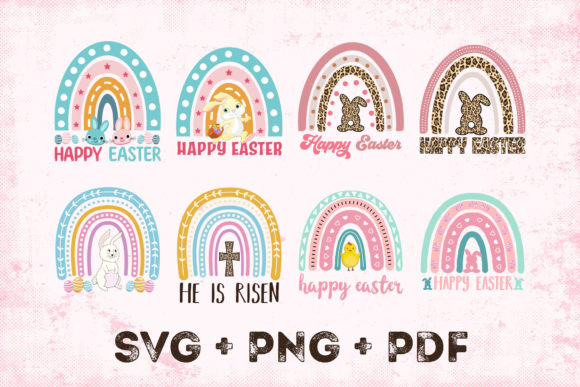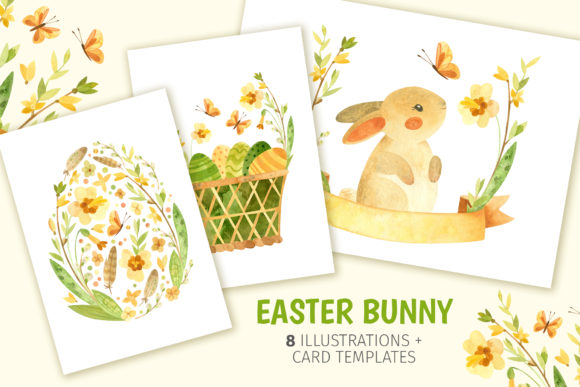
Easter Bunny Clipart Card Templates: Illustrations for Publishers
When I first opened the Easter Bunny Clipart Card Templates, I immediately noticed how the set balances a playful seasonal charm with a clean, modern design. As someone who has designed blog layouts, built content websites, and managed editorial workflows for over a decade, I look for a graphic design asset that does more than just look pretty—it must solve real publishing problems. This collection of illustrations delivers exactly that: a versatile toolkit for creating polished, clickable, and brand-consistent visuals across multiple content formats.
The editorial mood here leans toward lifestyle-friendly and approachable without feeling overly childish. The linework is crisp, the color palette feels curated, and the overall presentation suggests a professional hand behind the design. Whether you are building a spring-themed digital guide, refreshing your website header for the season, or crafting Pinterest pins that drive traffic, these illustrations provide a cohesive visual language that readers instinctively trust. That trust matters. When your blog graphics feel intentional and well-crafted, your audience perceives your content as more credible and worth their time.
The Editorial Mood That Sets This Asset Apart
From an editorial design perspective, the Easter Bunny Clipart Card Templates occupy a sweet spot between decorative and functional. The illustrations are detailed enough to serve as standalone focal points but restrained enough to sit quietly beside text. This balance is rare in seasonal clipart sets. Many similar assets lean too far into whimsy, making them difficult to pair with serious content or professional layouts. Here, the mood is warm and inviting without sacrificing clarity. The set feels naturally suited to niches like parenting, education, food blogging, DIY, creative entrepreneurship, and lifestyle publishing. It also works well for small business branding projects that need a touch of seasonal personality without overwhelming the core visual identity.
Reader perception shifts when you use design assets that feel intentional. A blog graphic built from these illustrations signals that you care about presentation. That is a subtle but powerful signal in content marketing. When a visitor lands on your page and sees a well-composed featured image, they are more likely to stay, read, and trust what you have to say. The Easter Bunny Clipart Card Templates help you create that first impression reliably.
Fitting This Asset Into a Real Publishing Workflow
In my own content publishing workflow, I test every graphic design asset against a handful of real use cases before committing. The Easter Bunny Clipart Card Templates passed quickly because they adapt naturally to formats I use daily: blog featured images, article headers, social media graphics, and downloadable resources. The illustrations scale well across sizes, which is critical when you are resizing a single graphic for a Pinterest pin, a newsletter banner, and a category thumbnail. Consistency across these touchpoints strengthens your brand identity and makes your content instantly recognizable.
I also appreciate how this asset supports editorial design without demanding a full redesign of your website. You can drop these illustrations into an existing layout and they complement most modern design systems. Whether your blog uses serif fonts for a classic feel or sans serif for a clean look, the clipart holds its own. I tested it with a handwritten font for a playful lead magnet cover and with a display font for an affiliate marketing header—both looked intentional and polished. The set also works well inside a Canva template, which makes it accessible for team members or clients who may not have advanced design software.
Why Visual Design Matters for Content Performance
Content performance is not just about SEO and headlines. Visual hierarchy, first impressions, and reader trust all play a role in whether someone clicks, stays, or bounces. The Easter Bunny Clipart Card Templates help you strengthen each of these elements. When you place one of these illustrations in your blog featured image, it immediately signals that the content is well-produced. That visual cue improves click-through potential from search results and social feeds alike.
For affiliate marketers and content creators, this is especially valuable. A strong brand identity built around consistent design assets can increase the perceived value of your digital products and lead magnets. I have used these illustrations in a digital guide for spring budgeting tips and in a printable Easter activity pack for a small business branding project. In both cases, the graphics elevated the overall presentation and helped the resources feel like premium offerings rather than quick throwaways. The set also supports content marketing goals by giving you a library of visuals that can be repurposed across blog posts, email newsletters, and social media campaigns.
Best Placements for Maximum Impact
From experience, I can point to several specific placements where the Easter Bunny Clipart Card Templates deliver the strongest impact in a real publishing workflow:
- Hero images and website headers benefit from the illustrations’ clean composition and balanced color. They do not overwhelm the layout but instead draw the eye naturally.
- Pinterest pins are a natural fit. The illustrations work beautifully as focal points in pin designs, especially when paired with bold typography and a clear call to action.
- Blog graphics and article thumbnails perform well because the illustrations provide enough visual interest to stop a scroll without competing with your headline text.
- Editorial accents placed within long-form content help break up text and add visual breathing room.
- Newsletter banners and social media previews benefit from the consistent, professional look that these illustrations bring.
- Digital products and printable designs integrate easily. If you create Canva templates for your audience, these clipart cards give your templates a cohesive, branded feel. I tested them inside a Canva template for a spring content planner, and the results looked like they came from a dedicated design studio.
Whether you are producing a digital download, a media kit, or an eBook cover, these illustrations help your content look clickable and credible.
When to Think Twice Before Using This Style
No design asset works everywhere, and I always advise publishers to think critically about context. The Easter Bunny Clipart Card Templates have a playful, seasonal mood, which means they fit best in lifestyle, parenting, education, food, DIY, and creative business niches. If your website covers serious professional topics like law, finance, or healthcare, these illustrations may feel out of place unless you are creating a very specific seasonal campaign.
Small mobile thumbnails also require careful testing. The illustrations have enough detail to look good at larger sizes, but on a tiny thumbnail, some of that nuance may be lost. I recommend previewing the graphics at actual mobile size before committing. Similarly, low-contrast backgrounds or busy layouts can diminish the impact of the clipart. Place these illustrations on clean, light backgrounds for the best visual result. Dark or highly patterned backgrounds may cause the details to blend in or feel cluttered.
If your brand identity leans toward a very minimal visual system, these illustrations may introduce more decorative energy than you want. That is not a flaw—it is a design choice. Just be intentional about where and how you use them to maintain consistency. The same applies to web design that relies on a strict grid or monochrome palette. In those contexts, the illustrations may need to be used sparingly as accents rather than primary visuals.
Publisher-Tested Notes for Implementation
Before you publish anything with the Easter Bunny Clipart Card Templates, run a few practical tests. These steps come directly from my own editorial workflow and have saved me from multiple last-minute redesigns:
- Preview the graphics on both desktop and mobile screens. Check how they look as a thumbnail in a blog archive page.
- Test them inside a real blog layout with headline text overlaid. Pay attention to contrast and readability. If you place text on top of the illustration, make sure the text remains legible at all sizes.
- Test with multiple font styles. Pair the illustrations beside a serif font, a sans serif font, a script font, a handwritten font, and a display font. Each pairing will create a different editorial mood. For the Easter Bunny Clipart Card Templates, I found that sans serif and handwritten fonts paired most naturally, while serif fonts added an unexpected sophistication that worked well for digital guides.
- Review file size for web performance. Compress your images properly before uploading to your website. Oversized files slow down page load times and hurt both user experience and SEO.
- If you are using these illustrations in a downloadable PDF or digital product, keep an eye on the final file size to avoid bloated downloads.
- Confirm the commercial license. If you are using this asset on a monetized website, affiliate page, or paid content product, make sure your usage rights cover those scenarios. A commercial license gives you the freedom to use the illustrations in content marketing, lead magnets, and digital products without worrying about legal issues. Always check the terms on the creative marketplace where you purchased the asset.
A Publisher's Final Take
The Easter Bunny Clipart Card Templates are a well-crafted graphic design asset that belongs in any content creator’s toolkit for seasonal and lifestyle publishing. They offer the kind of visual consistency that builds brand identity, the polish that builds reader trust, and the versatility that supports real publishing workflows. Whether you are designing blog graphics, social media visuals, digital guides, or printable resources, these illustrations help your content look intentional and professional.
In a crowded online space, every visual detail matters. Assets like this one make it easier to produce content that stands out, clicks through, and keeps readers engaged. If you are looking to elevate your spring and Easter publishing projects, this set is worth a close look. It is a smart investment in your content’s visual future.